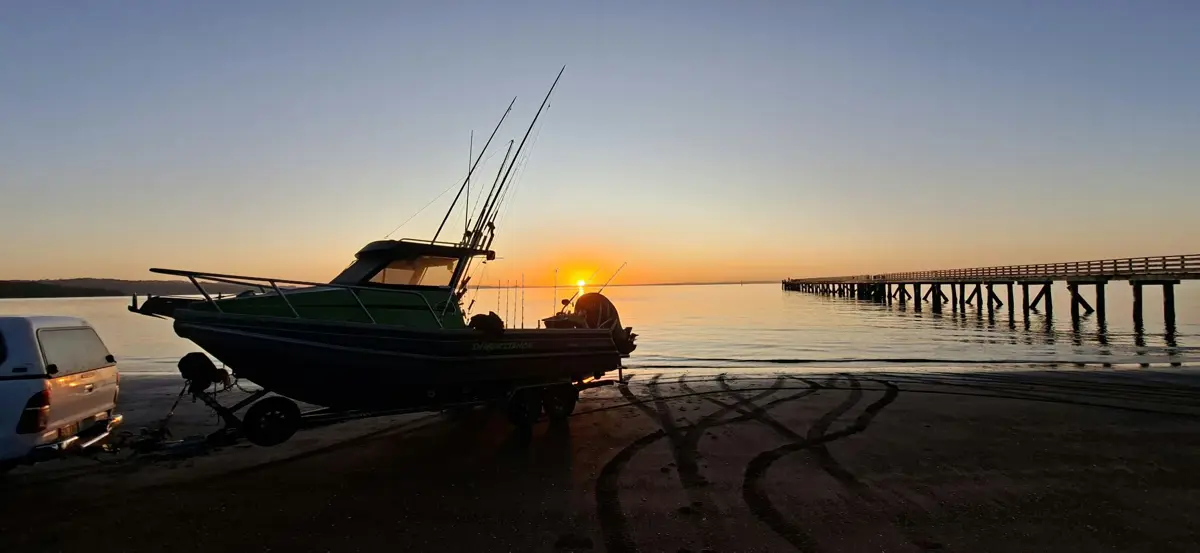
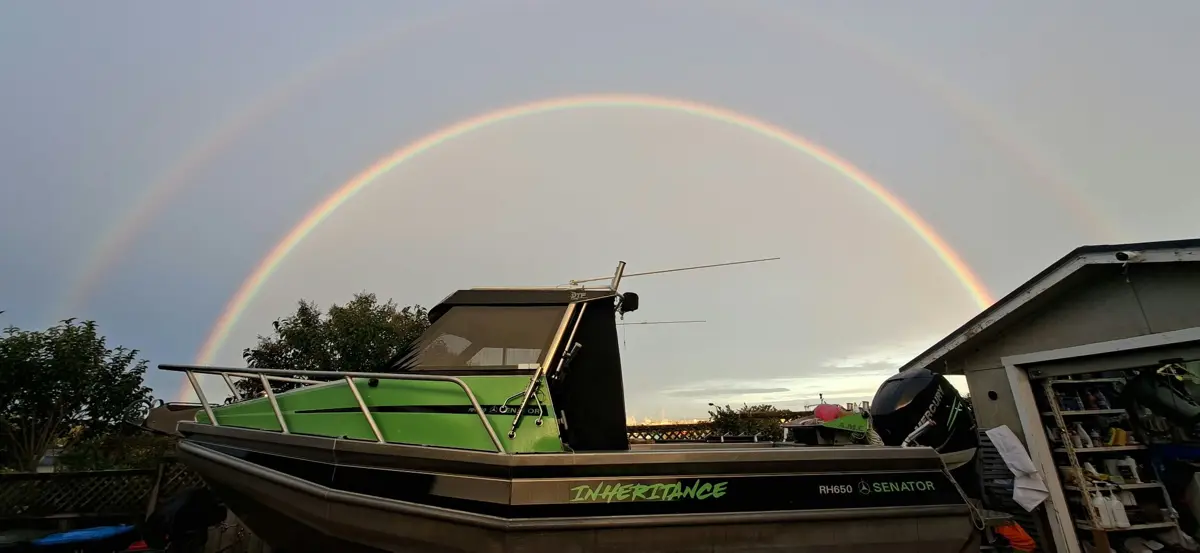
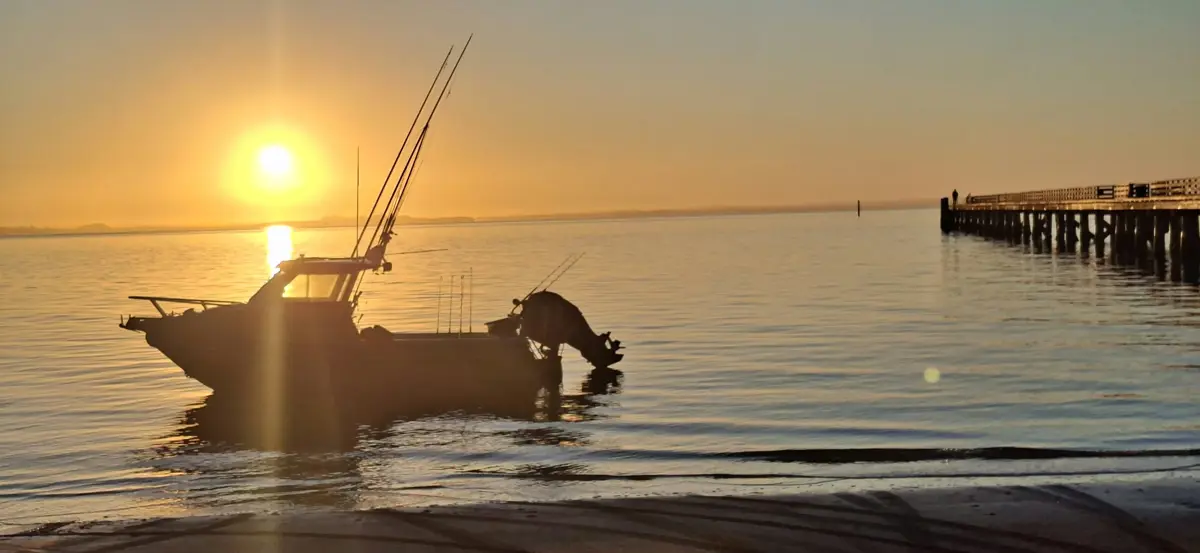
Stray Current & Cathodic Protection Boat Testing
About This Service
Had a boat that used to be a Marlin machine and now can't buy a bite while every other boat around you is getting bit?
Rewired something, added new electronics, or noticed corrosion showing up faster than it should?
It might not be bad luck — it could be stray current.
Chris Sheehan tests Auckland-area boats for stray current and cathodic protection issues. He got into this after his own boat was quietly getting eaten alive by stray current a few years back, tracked down the cause with the help of a marine electrician of 40 years' experience, and has been helping other boaties sort the same problem ever since.
What's involved
Stray current test — five minutes, using dedicated test equipment that reads the whole boat. If it comes back positive, Chris can then trace every circuit individually to isolate the problem (usually about an hour, longer on boats with a lot of wiring).
Cathodic protection test — about fifteen minutes, boat tied up at the jetty. If anodes need replacing, that's another fifteen minutes or so, and you're only charged the cost price of anodes and fittings — no markup, no extra call-out.
Pricing
- Stray current test: $250
- Circuit-by-circuit diagnosis (only if the stray current test is positive): $100
- Cathodic protection test: $100
- Anodes and hardware, if needed: cost price only
- Multi-boat test days (4+ boats booked together): $300 flat travel/time fee, split across the group
How it works
Chris is based in Auckland and available 7 days a week — though good luck finding him on land once game fishing season starts. You'll need to launch at a suitable jetty or marina for the tests. He'll travel to other regions for an additional travel cost, so it's worth rounding up a few mates and splitting it across several boats on the one day.
Get in touch to talk through your situation — he's happy to give an initial steer over the phone before you book anything in.
A quick note on what this is: Chris does this off the back of his own experience, not as a registered business — no GST, no formal report or invoice. He's not a marine electrician himself, though he works closely with one. If your boat needs electrical work done, you'll need to arrange that separately.
Opening Hours
7 days a week — though availability drops off sharply once summer game fishing season starts.
Provided by
Chris Sheehan